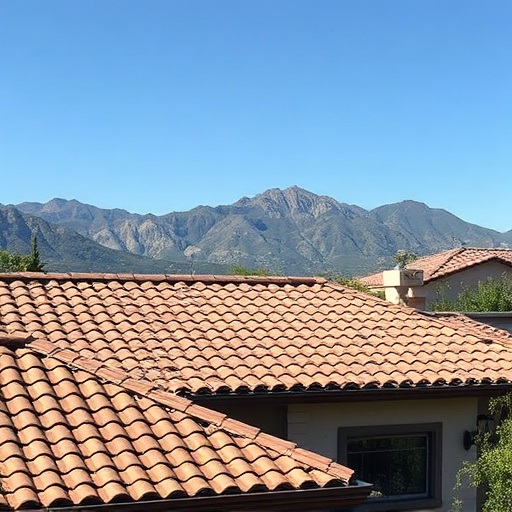
When considering your roof's longevity, the decision between re-underlaying and outright replacing a tile roof is paramount. Many homeowners, especially those with older properties featuring builder-grade roofs, face this crossroad. A simple underlayment swap might seem appealing, but replacing builder-grade roofs often requires a complete overhaul. This article examines the nuances of this decision, guiding you through the process, benefits, and challenges of both approaches. We'll explore why, in many cases, a total roof replacement, not just a re-underlay, offers a more sustainable, cost-effective, and aesthetically pleasing solution, especially for tear-off in the local Oro Valley area.
- Assessing Your Tile Roof's Condition
- Understanding Re-Underlaying: A Green Approach
- When Replacement is the Better Option
- Long-Term Costs: Natural vs. Total Replacement
Assessing Your Tile Roof's Condition
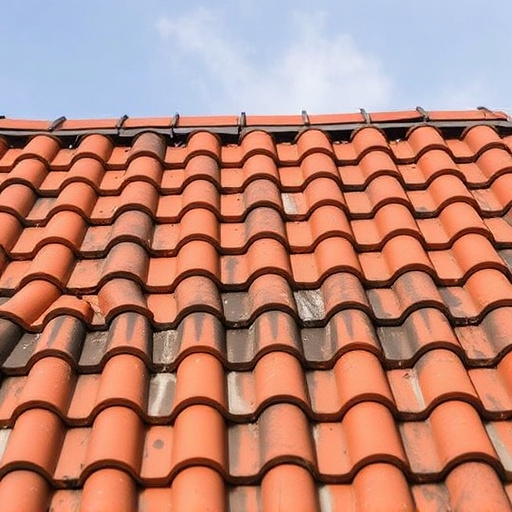
Assessing the condition of your tile roof is a crucial first step when considering whether to re-underlay or replace it outright. This evaluation process, often conducted by a roofing contractor serving Oro Valley and Marana, goes beyond a visual inspection. It involves a thorough audit of the roof's structural integrity, the extent of damage, and the overall health of the system. In areas like Stone Canyon and Rancho Vistoso, where tile roofs are prevalent, understanding the condition of your roof is essential to making a well-informed decision.
When evaluating a tile roof for replacement, a contractor will start by examining the underlayment, the layer beneath the tiles that provides a protective barrier against moisture and insulation. If the underlayment is severely damaged, degraded, or lacking in key areas, it may be more cost-effective to replace the entire roof rather than simply re-underlaying. This is particularly true for older roofs, such as those that might have been installed with builder-grade materials. In such cases, the underlayment could be the weakest link, and replacing the entire structure can prevent future leaks and costly repairs.
The condition of the tiles themselves is another critical factor. A roofing expert will look for cracks, chips, missing tiles, or signs of water penetration. If a significant number of tiles are damaged or the overall integrity of the roof is compromised, replacement might be the best course of action. Lightweight replacement tiles could be a suitable option for a partial replacement, while a full roof replacement may be necessary if the existing tiles are concrete and in poor condition. This assessment will also consider the age of the roof, the local climate, and the specific requirements of your home, ensuring that the chosen solution is tailored to your unique needs.
Understanding Re-Underlaying: A Green Approach
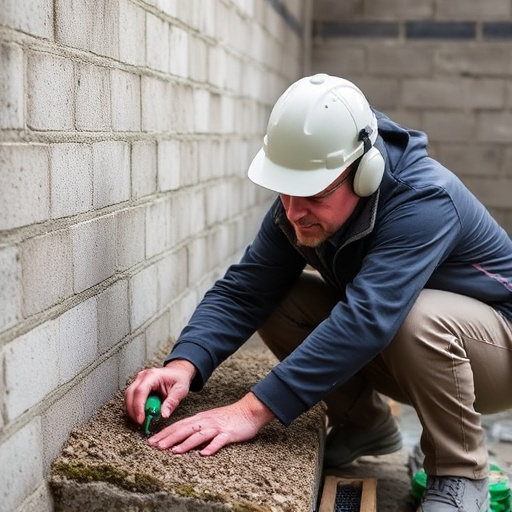
Re-underlaying a tile roof offers a sustainable and cost-effective alternative to replacing it outright, particularly when dealing with builder-grade roofs. This eco-friendly approach involves installing a new underlayment over the existing tiles, providing a fresh protective layer while minimizing waste and preserving the structure's original character. It's a method especially relevant for older homes in Oro Valley and Marana with tile roofs that still have life left in them but require reinforcement or a face-lift.
The process starts by carefully evaluating the current roof's condition. If the tiles are intact but the underlayment is damaged or outdated, re-underlaying can extend the roof's lifespan. DC Roofing of Arizona, a local roofing contractor serving these communities, recommends this method for properties with multiple layers of underlayment or for those looking to avoid the higher costs and potential damage associated with a complete tear-off. By re-underlaying, you can preserve the original battens and tiles, reducing the need for new materials and skilled labor.
One of the key benefits of this technique is the use of foam underlayment. Foam provides superior insulation and a robust barrier against moisture, mold, and pests. It's lightweight, making it easier to install over existing tiles, and it offers excellent adhesion for a secure, long-lasting bond. This is particularly advantageous for properties in our region, where extreme temperatures and varying weather patterns can take a toll on older roofs. Re-underlaying with foam not only enhances the structural integrity of the roof but also contributes to energy efficiency by reducing heat transfer through the attic.
Consider a home with a 20-year-old tile roof showing signs of wear but still possessing structural integrity. Instead of replacing the entire roof, re-underlaying with foam and a new protective layer can extend its life by another 15-20 years, providing peace of mind and significant savings. This method is a sign of the adaptability of tile roofing and the expertise of experienced roofing specialists like DC Roofing of Arizona, who can guide homeowners through the process, ensuring a safe, durable, and aesthetically pleasing result.
When Replacement is the Better Option

When considering a roof replacement, many homeowners face a critical decision: to re-underlay or replace the existing tile roof outright. While re-underlaying might seem like a cost-effective solution, it's not always the best long-term choice, especially when dealing with old, damaged, or builder-grade clay tiles. In such cases, a complete replacement may be the more practical and durable option.
Replacing builder-grade roofs, often characterized by lower-quality materials and craftsmanship, requires a fresh start. This process involves removing the existing roof down to its bare structure, which may reveal issues like weakened trusses or damaged underlayment. By starting from scratch, a roofer with an Arizona ROC license can ensure a solid foundation for the new roof. This is particularly important when addressing clay tiles, which, while offering traditional aesthetic appeal, can be fragile and require specialized handling. A complete replacement allows for the installation of new, high-quality materials, ensuring better durability and performance.
During a full roof replacement, it's crucial to consider ventilation and waste management. Adequate ventilation is key to keeping the attic cool, reducing energy costs, and preventing moisture buildup. A professional roofer will ensure proper ventilation is installed, enhancing the overall performance and longevity of the new roof. A dumpster is often required to facilitate the safe and responsible disposal of old roofing materials, such as clay tiles and underlayment. This not only maintains a clean and safe work environment but also aligns with local environmental regulations. In many areas, it's illegal to simply throw away old tiles, requiring proper disposal in a designated recycling or waste facility.
Long-Term Costs: Natural vs. Total Replacement

When considering the long-term costs of roof replacement, a critical decision points towards either re-underlaying or replacing the entire roof. While it might seem straightforward, this choice significantly impacts your budget, especially when dealing with existing structures like builder-grade roofs. Let's examine the financial implications and explore why a natural approach, focusing on re-underlaying, could be the more cost-effective solution in the long run.
Re-underlaying a tile roof involves replacing the existing underlayment while keeping the shingles in place. This method is particularly advantageous for older roofs, including those constructed with builder-grade materials, as it avoids the high costs associated with complete removal and installation. In the monsoon season, a new underlayment can protect your home from leaks and damage without the need for a total reroof. By preserving the existing shingles, you mitigate the expense of purchasing and installing new shingles, a major cost driver in roof replacements. This strategy is not only budget-friendly but also time-efficient, as it requires fewer labor hours compared to a complete roof replacement.
On the other hand, replacing a roof outright, especially with higher-end materials, can be a significant financial commitment. Shingles, drip edges, and flashing, all crucial components of a roof, are replaced in their entirety. While this ensures a fresh start, it comes at a premium. A local roofing company serving Oro Valley might charge varying rates based on the extent of the work, but one thing is certain: a total replacement typically costs more than a re-underlay. Complete replacements may not always be necessary, especially if the existing roof structure is sound. Opting for a natural, re-underlaying approach can save you substantial amounts, ensuring your roof remains functional and aesthetically pleasing without excessive spending.
When weighing the options, consider the long-term financial health of your home. By choosing to re-underlay rather than replace entirely, you can effectively manage costs, maintain the integrity of your roof, and potentially avoid unnecessary expenses. This strategic approach, especially for builder-grade roofs, demonstrates a practical and expert-backed method for navigating the challenges of roof replacement.
Frequently Asked Questions About an explainer on re underlaying a tile roof vs replacing it outright
What is the main benefit of re-underlaying a tile roof instead of replacing it? Re-underlaying involves laying down a new layer of underlayment over the existing roof, which offers several advantages. It's a cost-effective option, as it extends the life of the current roof structure and avoids the expense of complete replacement. This process also preserves the original roof's design and aesthetics, ensuring your home maintains its curb appeal. Re-underlaying can be faster and less disruptive to your daily routine, as it requires less demolition and cleanup compared to a full replacement.
When would a homeowner consider re-underlaying over replacement? Homeowners often opt for re-underlaying when the existing roof is in good structural condition but the underlayment is damaged or worn out. This scenario is common in older homes where the original underlayment may have deteriorated over time. Since replacing the underlayment is more affordable and less labor-intensive than a full roof replacement, re-underlaying is a practical choice in these cases.
How does re-underlaying improve the energy efficiency of a home? A crucial aspect of re-underlaying is its potential to enhance a home's energy efficiency. By installing a fresh layer of underlayment, you create a better barrier against heat transfer, which can significantly reduce energy costs. The new underlayment acts as an insulator, trapping heat during winter and keeping excess heat out during summer, thus optimizing the home's temperature regulation.
Are there any signs that indicate a complete roof replacement is necessary? While re-underlaying is a repair option, there might come a point where a full roof replacement is inevitable. Signs suggesting a replacement include severe damage to the tiles, extensive water stains, or evidence of leaks. If the existing roof structure is beyond repair or has weakened significantly over time, a complete replacement might be the only viable option.
How long does the re-underlaying process typically take? The duration of the re-underlaying process can vary, but most installations take one to two days, depending on the roof's size and complexity. This relatively quick turnaround makes re-underlaying an attractive option for homeowners who want a fast and efficient solution without the lengthy downtime associated with a full roof replacement.
What are the environmental benefits of re-underlaying? Re-underlaying contributes to sustainable roofing practices by reducing waste and minimizing the need for new materials. Since only a new layer of underlayment is installed, it significantly cuts down on the amount of roofing debris generated compared to a complete replacement. This eco-friendly approach aligns with the growing trend of responsible home improvement.
When deciding between re-underlaying or replacing your tile roof, a thorough assessment of its current condition is crucial. Re-underlaying offers a sustainable, cost-effective solution, especially for older roofs with intact tiles. It involves installing a new underlayment, providing a fresh layer of protection without the need for a complete tear-off. This method is ideal for reducing waste and preserving the structural integrity of your home, aligning with the growing trend of environmentally conscious roofing choices.
On the other hand, replacement is recommended when your roof has reached the end of its lifespan, often visible through extensive damage or missing tiles. Replacing builder-grade roofs naturally can be a strategic move, considering the long-term savings and improved curb appeal. By choosing the right materials and a reputable local roofing contractor, such as DC Roofing of Arizona, you can ensure a durable, energy-efficient finish that enhances your home's value.
Understanding the nuances of re-underlaying versus complete replacement equips homeowners with the knowledge to make informed decisions. Whether opting for a green approach or a total overhaul, prioritizing your roof's health and longevity is key.
When deciding between re-underlaying and replacing a tile roof outright, consider the roof's structural integrity, age, and the extent of damage. Re-underlaying is cost-effective for older roofs with intact tiles but damaged underlayment, preserving the original structure and extending lifespan. Replacing the entire roof is ideal for severely damaged or builder-grade roofs, offering a fresh start with high-quality materials and better long-term durability. Evaluate your budget, structural needs, and environmental impact to make an informed decision.