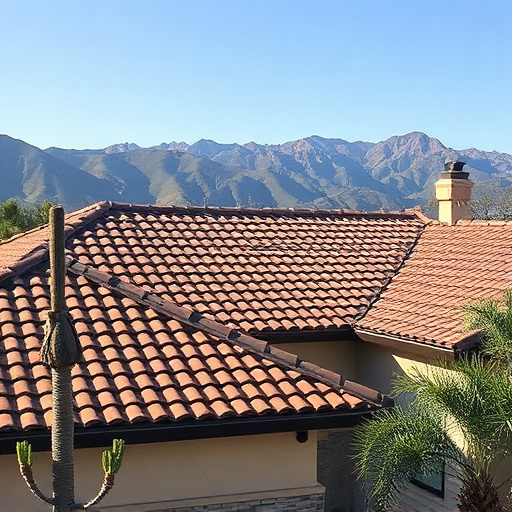
In the arid climate of Oro Valley, a roof is more than just shelter; it's a crucial defense against sun, wind, and water. When a roof starts to show its age, homeowners face a critical decision: re-underlay or replace? This choice can make or break a property's value and longevity. Many opt for a full tear-off, a complete roof replacement, but is this always the best course? This guide examines the pros and cons of both approaches, offering insights into everything from material considerations and cleanup and nail sweeps to cost analysis and timing. By the end, homeowners will be equipped to make an informed decision, ensuring their roof stands strong for years to come.
- Assess: Tile Condition & Underlayment
- Removel: Safe & Efficient Tile Removal
- Prepare: Roof Deck for New Underlayment
- Install: New Underlayment & Tile Replacement
Assess: Tile Condition & Underlayment
When considering whether to re-underlay or replace your tile roof, a thorough assessment of its current condition and underlayment is crucial. This process is often a key factor in determining the best course of action for your Oro Valley property. A licensed Oro Valley area roofing contractor will begin by meticulously examining the existing roof structure, tiles, and underlayment. This involves a close look at several factors.
First, they'll assess the condition of the tiles themselves. Are there significant cracks, missing pieces, or extensive wear and tear? The extent of damage can indicate whether individual tile replacement or a complete re-underlayment is more feasible. If only a few tiles are damaged, repairing and replacing them may be more practical than removing the entire roof. In cases where the underlayment is in good shape but the tiles are aged, a re-underlayment can provide a fresh layer of protection. However, if the underlayment is severely damaged, deteriorated, or water-damaged, it may be necessary to remove it entirely.
During this assessment, the roofer will also inspect the underlayment, checking for signs of mold, mildew, or rot, as well as its overall integrity. They'll look for proper drainage and ventilation, ensuring the underlayment is protecting the roof structure effectively. In some cases, such as in Stone Canyon's varying climates, a thorough inspection may reveal the need for additional underlayment or a switch to a more fire-resistant material, requiring a more involved process. After this detailed assessment, the contractor can offer a comprehensive plan, whether it's a simple tile repair, a full re-underlayment, or a complete roof replacement, along with a detailed estimate and warranty registration.
Before any work begins, it's essential to prepare for the process, including clearing the area, arranging for a dumpster if needed, and planning for any necessary cleanup and nail sweeps. These steps are vital for safety and to ensure the job is done efficiently, especially if the project involves removing old materials. By combining a thorough assessment with proactive preparation, you can expect a smoother transition towards a new or restored roof, enhancing your Oro Valley home's curb appeal and structural integrity.
Removel: Safe & Efficient Tile Removal

When deciding between re-underlaying or replacing your tile roof in Oro Valley, understanding the safe and efficient removal process is crucial. In Canada Hills and Stone Canyon neighborhoods, where homeowners often face the dilemma of choosing between these options, an experienced Oro Valley roof specialist recommends evaluating several factors.
Tile removal, or "tear off," involves careful disassembly and disposal of the old roofing system. An expert contractor will begin by removing the existing tiles, underlayment, and any other components. This process requires skill and caution to prevent damage to the building structure. After a thorough inspection, the contractor will determine if the existing roof structure is sound enough to support new underlayment. If the underlayment is severely damaged or degraded, it must be replaced along with the tiles.
During the removal process, a key step involves the meticulous cleanup and nail sweeps. This ensures that no loose nails or debris remain, which can cause future problems. The contractor will also assess the condition of the drip edge and eaves, which often require upgrades or repairs after years of exposure to the elements. In areas prone to heavy winds and storms, ensuring the drip edge is secure and properly sealed is vital for preventing water intrusion. After the tear-off, a new underlayment is installed, providing a fresh base for the new roofing material, whether that's re-using existing tiles or opting for a complete replacement.
Prepare: Roof Deck for New Underlayment

When considering whether to re-underlay or replace your tile roof, a crucial step in any roof replacement process is preparing the roof deck for the new underlayment. This involves a meticulous process that ensures a solid foundation for your new roofing material, whether you're opting for a re-underlay or a complete roof replacement. In the case of Sun City Oro Valley, where clay tile roofs are common, this preparation is essential for protecting your home from the elements and ensuring a long-lasting, attractive new roof.
The first part of this process involves a thorough cleanup. Our licensed Oro Valley area roofing contractor recommends removing all debris, including loose tiles, nails, and any remaining underlayment. This is a crucial safety measure to prevent injury and ensure a clean work area. After the initial cleanup, a meticulous nail sweep is conducted. This involves carefully removing all existing nails and securing them properly to avoid damage to the roof deck during the installation process. The nail sweep is a meticulous task, especially in older roofs, as it requires a keen eye to identify and extract nails without causing further damage.
Once the roof deck is clean and secure, the final inspection is conducted. This involves a close examination of the deck to identify any issues that may impact the new underlayment's performance. It includes checking for rot, moisture damage, or any signs of structural weakness. Our expert team ensures that any issues are addressed before proceeding, as a solid roof deck is the foundation for a successful re-underlay or complete roof replacement. This meticulous preparation guarantees a lasting result, enhancing your home's curb appeal and providing protection against the elements for years to come.
Install: New Underlayment & Tile Replacement

When considering whether to re-underlay a tile roof or replace it outright, a crucial step in the process is installing new underlayment and tiles. This is particularly important in Oro Valley's Rancho Vistoso area, where weather conditions can vary and harsh sun exposure is common.
Re-underlaying involves removing the existing underlayment, inspecting the roof deck for damage, and then installing a new layer of underlayment. This process is similar to a partial roof replacement, focusing solely on the protective barrier beneath the tiles. An experienced Oro Valley roof specialist recommends re-underlaying if the existing underlayment is in good condition but the tiles are damaged or missing. This approach is cost-effective and can extend the life of your roof, especially if you have lightweight tiles that can be easily reset. If your tiles have simply come loose from the underlayment due to weather or age, re-underlaying can get your roof back in top shape.
On the other hand, replacing tiles outright involves removing all the old tiles, underlayment, and any damaged decking. This is a more comprehensive project, requiring more materials and labor. However, it offers the advantage of choosing new, updated tile styles and colors to enhance your home's curb appeal. After the tear-off, a new underlayment is installed, and then new tiles are laid, ensuring a fresh and modern look. Remember, the cost of a total replacement may be higher, but it can be a good investment if you're planning to sell your home, as a new roof can significantly increase its value.
During either process, proper cleanup and nail sweeps are essential. This ensures your property is safe and free of debris. A local roofing company can efficiently handle this step, allowing you to focus on the bigger picture. Consider the timing of your project. Many experts suggest conducting a roof replacement during the off-peak season, as this can lead to more affordable labor costs.
Frequently Asked Questions About an Explainer on Re-underlaying a Tile Roof vs Replacing It Outright
What is the difference between re-underlaying and replacing a tile roof?
Re-underlaying involves installing a new layer of underlayment over the existing roof structure, providing added protection and extending the life of your tile roof. Replacing the roof outright means removing all the tiles, underlayment, and sometimes the roof structure itself, and starting over with a new roof system. Replacing is a more significant, costlier undertaking, while re-underlaying offers a more targeted fix.
Why might a homeowner choose to re-underlay instead of replace?
Many homeowners opt for re-underlaying when their tile roof is in good structural condition but shows signs of aging, like cracks or blisters in the underlayment. It's a cost-effective solution that preserves the existing roof, avoiding the high expense and disruption of a complete replacement.
Is re-underlaying suitable for all tile roofs?
While re-underlaying is a popular option, it's not always the best choice. Factors like severe weather damage, extensive leaks, or an outdated roof structure may make replacement the more practical option. A licensed Oro Valley area roofing contractor can assess your roof and recommend the best course of action.
How long does the re-underlaying process typically take?
Re-underlaying usually takes one to two days, depending on the roof's size and complexity. It involves removing the existing underlayment, installing a new layer, securing it with staples or nails, and trimming the edges for a neat finish.
Are there any downsides to re-underlaying a tile roof?
While re-underlaying offers benefits, it may not be suitable for all situations. It can be more expensive than a simple repair, and if the existing roof structure is severely damaged, it may need to be replaced anyway. If the original underlayment had significant issues, simply re-underlaying might not provide long-term protection.
When considering re-underlaying versus replacing a tile roof, understanding the current state of your roofing materials is crucial. Assessing the condition of your tiles and underlayment is the first step in making an informed decision. If your underlayment is in good shape but your tiles are damaged or aged, re-underlaying can be a cost-effective solution, saving you time and money. However, if the underlayment is severely damaged or your roof structure needs attention, a full replacement may be the better choice.
The process involves safe and efficient tile removal, preparing the roof deck, and installing new underlayment and tiles. Proper cleanup and nail sweeps are essential after the tear-off to ensure a clean, safe workspace and to protect your property from debris.
By carefully considering these steps and the condition of your roof, you can make a well-informed decision that aligns with your budget and long-term goals. Remember, a well-maintained roof is key to protecting your home from the elements, so don't delay necessary repairs or upgrades.
When deciding on a tile roof's fate in Oro Valley, a thorough assessment is key. Inspect for tile damage, underlayment condition, and water damage. For re-underlay, remove old materials, check the roof deck, and install a new underlayment. Replace tiles if the underlayment is intact but tiles are aged or damaged. Proper cleanup and nail sweeps are vital throughout both processes, ensuring a safe and efficient job.