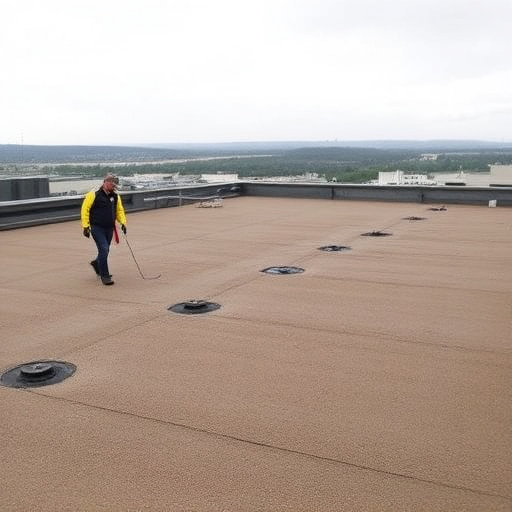
In the Oro Valley community, the decision between re-underlaying or replacing a tile roof is a crucial one. Many homeowners face this dilemma, unsure of the best course of action for their property. This explainer aims to provide a practical guide, shedding light on the benefits and considerations of each approach. We'll examine the practical aspects, including the role of new flashing in a reroof, to help you make an informed decision. By understanding the nuances of re-underlaying versus replacement, you can ensure your roof is in top condition, enhancing your home's value and protection. Let's explore the steps, costs, and factors that make this choice essential for every homeowner.
- Assessing Tile Roof's Condition: When is a Reroof Necessary?
- The Reroof Process: Step-by-Step Guide to Installation
- New Flashing's Role: Securing Long-Term Protection for Your Roof
- Cost-Benefit Analysis: Reroofing vs. Replacing a Tile Roof
Assessing Tile Roof's Condition: When is a Reroof Necessary?
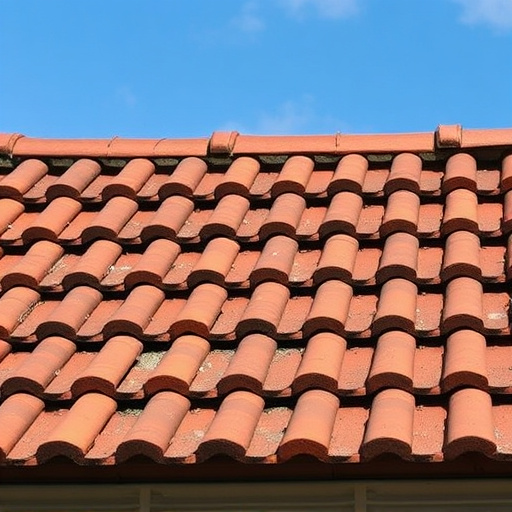
Assessing the condition of your tile roof is a crucial first step when considering whether to re-underlay or replace it outright. In Sun City Oro Valley and Canada Hills, where many homes feature tile roofs, a licensed Arizona roofer often recommends a thorough inspection to determine the extent of any damage or wear and tear. This process involves examining the roof's structure, underlayment (often felt), and the tiles themselves.
Over time, a tile roof may require a reroof due to several factors. Old felt underlayment can become damaged or dried out, leading to leaks and reduced protection for your home. Similarly, tile roofs can sustain damage from severe weather, such as hail storms, which may chip or break tiles, compromising their integrity. If your roof has reached a point where repairs are no longer cost-effective, a complete reroof might be the best option. A skilled roofer will assess whether the existing structure is sound and whether it's more efficient to replace the entire roof system, including the underlayment, or simply lay down new tiles over the old.
When considering a reroof, it's important to remember that new flashing in a reroof is often part of the process. This critical component ensures a watertight seal around the roof's edges and penetrations, protecting your home from leaks. A professional roofer will evaluate whether the existing flashing is in good condition or if it needs to be replaced along with the other components of the roof. By understanding the condition of your roof and the potential needs for replacement or repair, you can make an informed decision about the best course of action for your Oro Valley home.
The Reroof Process: Step-by-Step Guide to Installation
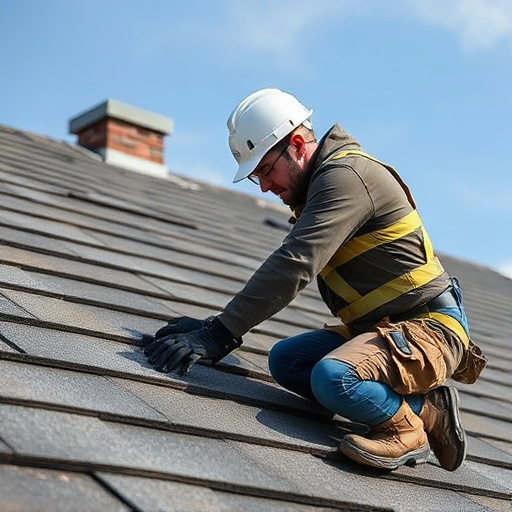
When considering whether to re-underlay or replace your tile roof, understanding the reroof process is crucial. For many homeowners, the decision comes down to cost, time, and the condition of the existing roof. Let's break down the reroof process step-by-step, focusing on what happens during a tear-off and new installation-a process that, in the monsoon season, requires careful planning and expert execution.
A reroof, or roof replacement, begins with a thorough inspection. An experienced Oro Valley roof specialist will assess your existing roof structure, underlayment, and tiles to determine the extent of the work needed. This includes identifying any damage from weather, wear, or pests. During this inspection, they'll also take note of your roof's age and the number of layers already present-a factor that influences the overall project scope. If your roof has multiple layers, removing them can be more complex and time-consuming, potentially increasing the cost.
Next, the process involves a complete tear-off. This step is essential to ensure a fresh start. The old underlayment is removed, along with any loose or damaged tiles. This is where the expertise of a seasoned contractor becomes evident. They'll safely dispose of the old roofing materials, a task that requires adherence to local regulations and environmental considerations. Once the old roof is gone, the deck (or the existing underlayment if it's in good condition) is inspected and prepared. This preparation includes installing drip edges and eave upgrades, ensuring proper drainage and air circulation, crucial factors for fire resistance and long-term durability.
In the final stages, new flashing is installed, a critical component for water sealing. This step is particularly important if you're transitioning from a flat roof to a more traditional pitched design, as it ensures protection against leaks at the roof's edge. Following this, the new underlayment is laid down, providing a protective barrier between the tiles and the deck. Finally, the new tiles are installed, with careful consideration given to alignment and quality control. The new flashing and underlayment ensure a robust, long-lasting roof that will protect your home for years to come.
New Flashing's Role: Securing Long-Term Protection for Your Roof
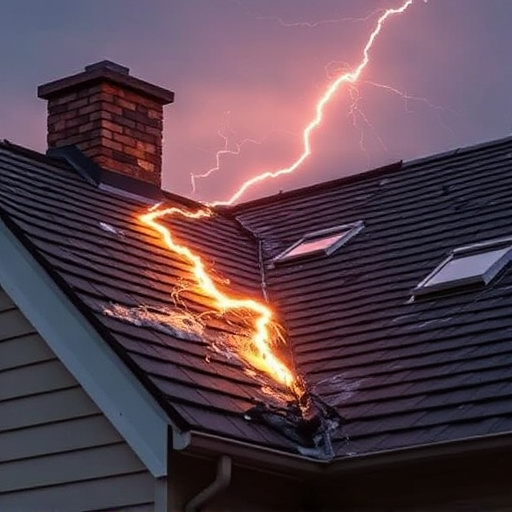
When considering whether to re-underlay or replace your tile roof outright, one crucial element to factor in is the installation of new flashing. Flashing is a vital component of any roofing system, serving as the final protective barrier against water intrusion and damage. During a reroof, the old flashing is typically removed and replaced with new material, ensuring long-term security for your home.
The role of new flashing in a reroof goes beyond simple installation. It involves securing and sealing all the joints, edges, and areas prone to leaks, such as the drip edge and parapets. This is particularly important for clay tile roofs, which are susceptible to water damage if not properly sealed. A licensed Oro Valley area roofing contractor will ensure that new flashing is installed correctly, adhering to industry standards and best practices. This includes using the appropriate type of flashing for your roof's design and climate, as well as adhering to local building codes and regulations.
Warranty registration is another critical aspect. When you invest in a new flashing system, you're making a long-term commitment to the protection of your home. Many manufacturers offer warranties on their flashing materials, providing peace of mind and added security. These warranties can cover both the material and the workmanship, ensuring that any issues arising from faulty flashing installation or material degradation are addressed promptly. A quality drip edge and new flashing can extend the life of your roof, reduce the risk of costly repairs, and even increase your home's curb appeal.
Properly installed new flashing also simplifies future repairs and maintenance. During a reroof, it provides a clean break between the old and new roofing materials, allowing for easier access and repairs if any issues arise. If a section of clay tile becomes damaged, the new flashing ensures that water is directed away from the vulnerable area, preventing further damage and simplifying the repair process. By prioritizing quality flashing installation, you're not just securing your roof for the present; you're also making a strategic investment in the long-term protection and value of your home.
Cost-Benefit Analysis: Reroofing vs. Replacing a Tile Roof

When deciding between re-underlaying or replacing a tile roof, a thorough cost-benefit analysis is crucial. In Oro Valley and Marana, where homes often feature unique architectural styles, such as those in Rancho Vistoso and Stone Canyon, this decision can significantly impact a property's value and long-term protection.
Re-underlaying, or reroofing, involves installing a new layer of underlayment over the existing roof. This method is cost-effective, especially if the original roof structure is sound. It's ideal for homes with minor damage or leaks, allowing homeowners to avoid a complete replacement. A roofing contractor serving Oro Valley and Marana might recommend reroofing if the tiles are only slightly damaged or missing, as it offers a quick fix with minimal disruption to the property. Reroofing can extend the life of your roof, delaying the need for a full replacement. However, this process doesn't offer the same aesthetic refresh as a complete overhaul, and older underlayments might require frequent attention.
Replacing a tile roof entails removing the old roof, including the underlayment, and installing a new one. This option is beneficial when the existing roof is beyond repair or the structure is compromised. A new roof provides superior protection against extreme weather and offers a fresh aesthetic, enhancing curb appeal. Homeowners in Oro Valley, with its diverse climate, might choose a complete replacement to ensure their property is shielded from both heat and heavy monsoon rains. While replacing a roof can be more expensive upfront, it comes with the advantage of extended warranty registration, ensuring long-term peace of mind. New flashing in a reroof is also a critical aspect, providing additional protection against water damage.
In many cases, a combination of both approaches might be the best strategy. If your roof has reached the end of its life but some structural elements are sound, a partial replacement focusing on the underlayment and damaged tiles could be cost-efficient. This method strikes a balance between the investment and the desired outcome. When considering either option, it's essential to consult with a local expert. A roofing contractor familiar with the Oro Valley area can offer tailored advice, ensuring the longevity and aesthetic appeal of your home's roof.
Frequently Asked Questions About an explainer on re underlaying a tile roof vs replacing it outright
What is the benefit of re-underlaying a tile roof instead of replacing it entirely? Re-underlaying involves installing new underlayment over the existing roof structure, which offers several advantages. It is a more cost-effective option, saving you money compared to a complete replacement. This method also preserves the existing roof frame, which can be particularly valuable if your roof is in generally good condition but the underlayment is damaged. Re-underlaying can extend the life of your roof, providing another layer of protection.
How do I know if my tile roof needs re-underlaying or replacement? A thorough inspection is key. Look for signs of damage, such as missing or curled shingles, leaks, or mold growth. If the underlayment is severely damaged, worn out, or no longer effective, replacement might be necessary. However, if the tiles are intact but the underlayment is compromised, re-underlaying can be an excellent solution. Consulting a licensed Oro Valley area roofing contractor, like DC Roofing of Arizona, for a professional assessment is always recommended.
Is re-underlaying a do-it-yourself project? While some homeowners may be capable of installing a new underlayment, it's generally recommended to leave this task to a professional. Roofing work involves working at heights and requires specialized knowledge and tools. A licensed roofer will ensure the job is done correctly, minimizing the risk of future damage and potential safety hazards.
How long does the re-underlaying process typically take? Most re-underlaying installations take one to two days, depending on the roof's size and complexity. This process involves removing the existing underlayment, inspecting the roof frame, laying down new underlayment, and sealing it properly.
Are there any long-term savings with re-underlaying? Absolutely. By extending the life of your existing roof, re-underlaying can potentially save you money in the long run. Complete roof replacements can be costly, and avoiding premature replacements can lead to significant savings. Regular maintenance and inspections by a local roofing company serving Oro Valley can also help identify minor issues before they become major, further extending the life of your roof.
Can re-underlaying improve my roof's energy efficiency? Yes, proper underlayment installation plays a crucial role in enhancing a roof's energy efficiency. It helps regulate indoor temperatures by providing a barrier against extreme weather conditions. In warmer months, it prevents heat transfer from the exterior, keeping your home cooler. In colder seasons, it acts as an insulator, helping to maintain a comfortable indoor temperature.
When deciding between re-underlaying and replacing a tile roof, understanding the current condition is key. The article has outlined a practical guide to reroofing, from assessing the roof's health to the step-by-step installation process. A crucial aspect highlighted is the role of new flashing in a reroof, ensuring long-term protection for your roof.
By comparing reroofing vs. Replacing, homeowners can make informed decisions, considering factors like cost, curb appeal, and seasonal considerations. The article's practical insights, combined with the importance of proper flashing installation, empower homeowners to protect their investment and maintain a safe, attractive home.
Next steps include scheduling a thorough roof assessment and consulting with local, top-rated roofing contractors. Whether repairing, reroofing, or replacing, choosing the right materials, like lightweight tiles or fire-resistant options, and ensuring proper installation, including new flashing, are essential for a durable, low-maintenance roof.
When Oro Valley homeowners consider their tile roof options, understanding reroofing versus replacement is crucial. A licensed roofer inspects for damage, age, and structure soundness. Reroofing involves removing old underlayment and tiles, repairing leaks, and installing new flashing, suitable for minor issues. Replacement is recommended for compromised roofs, offering extended protection and aesthetic refresh but at higher upfront cost. Consulting a local expert balances investment and outcome, ensuring a robust, appealing roof. New flashing is vital for both options, protecting against water damage.