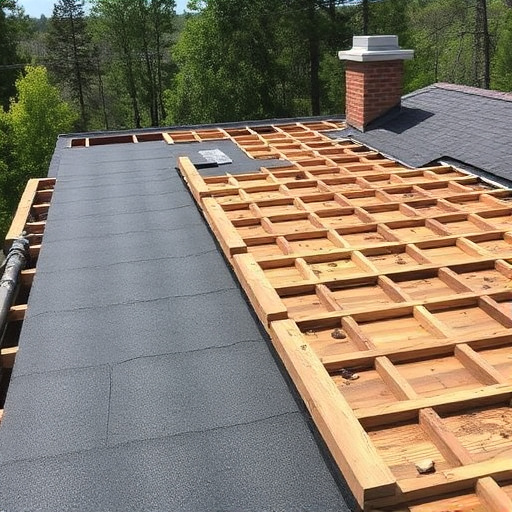
Roof replacements are a significant investment for any homeowner. Understanding the factors that drive these costs is crucial to ensure you're prepared and informed. The process of replacing a roof goes beyond simply swapping old shingles for new; it involves complex considerations, from the type of material to labor and permits.
While many homeowners may be tempted to delay necessary repairs, ignoring roof issues can lead to more serious, and costlier, problems. Knowing the best season to replace a roof, for instance, can save you from both financial and structural headaches. This article examines the key cost drivers, offering insights to help you budget effectively and make informed decisions about one of your home's most vital components.
- Assessing Roof Condition: Key Damage Indicators
- Understanding Weather's Impact: The Best Season for Replacement
- Material Choices: Cost Factors and Lifespan
- Local Regulations, Contractors, and Budget Planning
Assessing Roof Condition: Key Damage Indicators
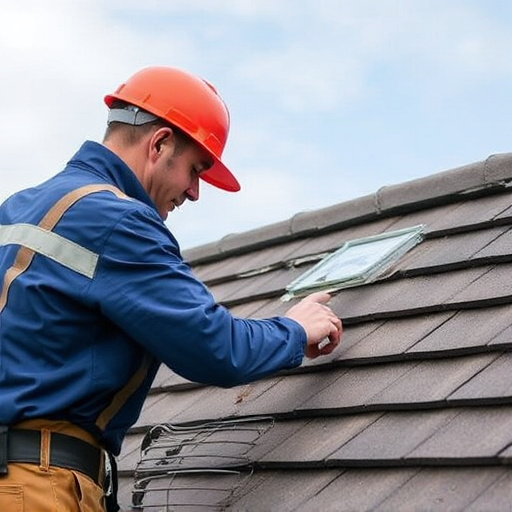
Assessing the condition of your roof is a critical first step in understanding why and when a replacement is necessary. This evaluation involves meticulous inspection to identify key indicators of damage, which can vary greatly depending on the type of roofing material. Clay tile roofs, common in our region, may exhibit cracks, dislodged tiles, or signs of water intrusion, each pointing to a potential need for a tear-off and replacement.
A roofing contractor serving Oro Valley and Marana will look for specific red flags. One of the most obvious is the age of the roof. As a rule of thumb, a roof that is more than 20 years old often requires significant repairs or a full replacement. This is because materials weaken over time, and many older roofs have lower-quality underlayments, making them more susceptible to damage from weather and pests. Another critical indicator is the presence of missing or damaged shingles, which can expose the underlayment to the elements, leading to costly leaks.
Professionals examine the condition of the underlayment, the layer beneath the shingles that provides extra protection. A damaged or deteriorated underlayment, often seen in older roofs, necessitates replacement. Signs of mold, mildew, or excessive granule loss on the shingles are also red flags. These issues not only impact the aesthetics of your home but can also signal deeper structural problems. A damaged or missing drip edge, which directs water away from the roof's edge, can lead to water damage and further complications. The best season to replace a roof is often after the winter, when weather conditions are more favorable for a thorough inspection and repair.
In the case of a tear-off, the old roofing material is typically disposed of in a dumpster, which can be rented for the duration of the project. This process allows for a complete replacement, ensuring the new roof is installed on a solid foundation. By addressing these key damage indicators, homeowners can avoid costly repairs and extend the life of their new roof.
Understanding Weather's Impact: The Best Season for Replacement
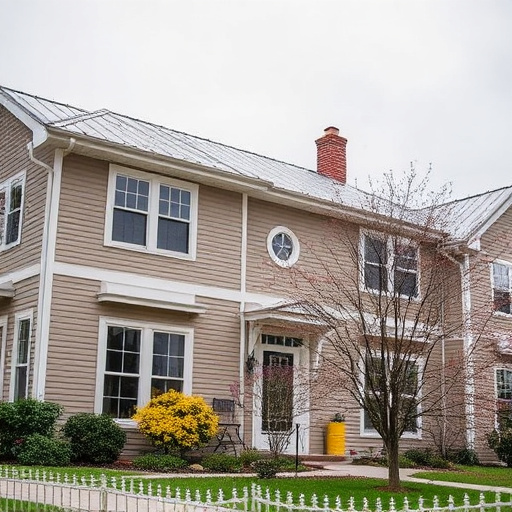
The weather in Oro Valley, like anywhere, plays a crucial role in dictating the timing and cost of roof replacement. Understanding the best season to replace a roof is key to managing both expectations and budget. In Sun City Oro Valley and Canada Hills, where the climate is largely similar, the ideal window for roof replacement typically occurs during the spring or fall.
During these seasons, the weather is generally milder, with less extreme temperatures and less intense sunlight compared to the scorching summer heat. This moderates the workload for roofing contractors, as they can work more efficiently without the stress of extreme heat. The lower risk of sudden storms and heavy rainfall during these seasons allows for more predictable project timelines. A full roof replacement in Oro Valley, involving a tear-off and new installation, usually takes one to two days when scheduled during the spring or fall.
However, the Town of Oro Valley permit process can add a week or more to the timeline, so planning is crucial. The permit itself is a necessary step to ensure compliance with local building codes and regulations. The type of roofing material chosen can also impact the timing. Lightweight replacement tiles or a flat roof conversion to foam can be more quickly installed compared to more complex systems. Choosing the best season to replace a roof in Oro Valley, therefore, involves balancing weather conditions, local permits, and the specific requirements of the job. DC Roofing of Arizona, a licensed Oro Valley area roofing contractor, can guide homeowners through these considerations, ensuring a smooth and cost-effective roof replacement process.
Material Choices: Cost Factors and Lifespan

The choice of roofing material is a significant factor in determining the cost of a roof replacement. This decision influences not only the upfront expenses but also the long-term investment, as different materials offer varying lifespans. When considering the best season to replace a roof, material selection is a key component. In our region, replacing a roof during the milder seasons provides optimal conditions for installation and cure times, ensuring a durable finish.
Synthetic underlayment, a popular choice for its affordability and wind resistance, can extend the life of a roof by providing an extra layer of protection against moisture and debris. This is particularly beneficial in our area's climate, where extreme weather events can be frequent. When paired with modern flashing solutions, which are designed to seal and protect the roof's edges and penetrations, the overall system's longevity improves. A local roofing company serving Oro Valley often recommends these underlayment and flashing upgrades for clients looking to extend the life of their new roof.
The decision to switch materials, such as from a traditional to a synthetic underlayment or even integrating solar panels, should consider both cost and longevity. While lightweight synthetic tiles might be cheaper upfront, they may not offer the same level of durability as more traditional materials. Conversely, investing in high-quality, long-lasting materials, like metal or tile, could be more cost-effective in the long run, especially with proper maintenance. When planning a roof replacement, it's crucial to weigh these options, keeping in mind the specific needs and conditions of your property, and consult with experts for the best advice tailored to your situation. Remember, the best season to replace a roof is also influenced by these material considerations.
Local Regulations, Contractors, and Budget Planning

Local regulations, contractor expertise, and budget planning significantly influence the cost of roof replacement. In Oro Valley, as in many areas, strict building codes govern the type, color, and style of roofing materials, especially for historical or residential districts. If you're considering switching from clay tiles to synthetic underlayments, the city's approval process may require you to consult with a local roofing expert familiar with these regulations.
Choosing the right contractor is another crucial factor. DC Roofing of Arizona, a licensed Oro Valley area roofing contractor, emphasizes the importance of experience and specialized knowledge. They advise that, during the initial consultation, clients discuss their needs, budget, and the best season to replace a roof, like spring or fall, when weather conditions are favorable and labor costs are often lower. Each project is unique, and the contractor's expertise in navigating local regulations, understanding material options, and efficient project management directly impacts the final cost.
Budget planning involves a holistic view of the project. The scope of work, from tear-off to installation, can vary widely. The contractor should provide a detailed breakdown of costs, including material expenses, labor, and any necessary permits. A complete reroof might include replacing old underlayments, repairing or replacing flashing, and upgrading drip edges and eaves. Clients should consider the cost of disposal for old roofing materials and the potential for additional fees during the permitting process. Efficient planning and open communication with the contractor are key to managing budget expectations.
Lastly, understanding the financial implications of delays is essential. Waiting for the best season to replace a roof or omitting necessary repairs can lead to more extensive and costly renovations down the line. A small leak in a flat roof can turn into a significant problem if left unattended, requiring not just a patch but a full replacement. Therefore, a proactive approach, guided by local regulations and expert advice, is the best strategy for a successful and budget-conscious roof replacement.
Frequently Asked Questions About a Plain Language Look at the Factors that Drive Roof Replacement Cost
What is the average cost of roof replacement? The average roof replacement in the Oro Valley area ranges from $7,000 to $15,000, depending on the size of the roof, type of materials used, and extent of damage. These costs can vary widely based on factors like the age of the existing roof, local labor rates, and the complexity of the tear-off and installation process.
Why does the type of roofing material matter so much? The choice of roofing material directly impacts both the initial cost and the long-term maintenance of your roof. High-end materials like metal or tile roofs are more expensive upfront but offer superior durability, requiring less frequent replacement. Lower-cost options like asphalt shingles may need replacing every 15-20 years, adding to overall expenses over time.
How does the size of my roof affect replacement costs? Larger roofs naturally cost more to replace due to the increased amount of materials and labor required. The complexity of installing or removing materials at greater heights also adds to the price tag. DC Roofing of Arizona, for instance, charges by the square foot, with rates varying based on the project's specifics.
What role does weather play in roof replacement? Weather conditions can significantly affect roof replacement schedules and costs. Severe storms, heavy rains, or high winds can delay the process, as contractors need safe, dry conditions to work effectively. Regions with frequent extreme weather may require more robust roofing materials, increasing initial costs.
Can I get a breakdown of labor and material costs? Absolutely. Labor costs, which include the expertise of roofers and assistants, represent a significant portion of the total price. Material costs, from shingles to underlayment, also vary based on the chosen materials. A detailed estimate from a licensed roofer like DC Roofing of Arizona will break down these expenses, allowing for a clear understanding of the project's financial implications.
Are there any hidden costs I should be aware of? While every project is unique, potential hidden costs include permits, debris removal, and additional work if the existing roof is severely damaged. Some contractors may also charge for travel time or site preparation. A comprehensive quote from a local roofing company serving Oro Valley and Marana will account for most, if not all, of these potential extras.
How can I get the best value for my roof replacement dollar? Choosing a reputable, licensed contractor like DC Roofing of Arizona is crucial. Requesting detailed estimates, comparing multiple bids, and understanding the terms of the warranty can help ensure you're getting the best value. Prioritizing energy-efficient materials can offer long-term savings on heating and cooling costs.
Roof replacement costs in Oro Valley are influenced by multiple factors, from the condition of your existing roof to local regulations and material choices. By assessing key damage indicators and understanding the best season for replacement, homeowners can make informed decisions. Material lifespan and cost, along with local contractor expertise, play significant roles in determining overall prices. Planning ahead, understanding the impact of weather, and strategically choosing materials can help mitigate unexpected expenses. Remember, the timing of your replacement is crucial; the best season to replace a roof in Oro Valley typically aligns with favorable weather conditions, allowing for efficient installation and minimizing disruptions. This strategic approach, combined with expert guidance from local roofing companies, ensures a seamless and cost-effective reroofing process.
Roof replacement costs in Oro Valley are driven by several factors:
- Inspection and Damage Assessment: Identifying key indicators like age, missing shingles, underlayment condition, mold, and damaged drip edges is crucial. Older roofs often require significant repairs or full replacement due to weakened materials and lower-quality underlayments.
- Weather and Season: The best season to replace a roof is typically spring or fall for efficient, predictable work and moderate temperatures. This reduces labor costs and allows for more accurate project timelines.
- Material Selection: Choosing materials based on lifespan, durability, and local regulations impacts cost. Synthetic underlayments and modern flashing solutions extend roof life.
- Contractor Expertise and Regulations: Local building codes and a contractor's experience influence costs. DC Roofing of Arizona emphasizes navigating regulations and understanding material options for budget-conscious clients.
- Budget Planning and Timing: Comprehensive cost breakdowns, including permits and material disposal, are essential. Proactive roof maintenance avoids costly delays and extensive renovations.