
In the arid climate of southern Arizona, a roof's health is critical to protecting your home and its value. The timing of a roof replacement can significantly impact the process and outcome, especially when considering the region's unique seasonal variations. Homeowners often struggle with when to schedule this essential project, particularly for the crucial tile underlayment replacement. This article offers expert advice on navigating the best seasons for a tear-off and reroof, ensuring a durable and aesthetically pleasing new roof while minimizing disruptions. We'll guide you through the process, from preparing for the big day to the post-installation cleanup, all tailored to the Oro Valley area.
- Understanding Southern Arizona's Climate for Roof Replacement
- When to Start: Planning for Optimal Tile Underlayment Replacement
- Seasonal Considerations for Efficient and Long-Lasting Repairs
- Expert Tips for a Successful Roof Replacement in All Seasons
Understanding Southern Arizona's Climate for Roof Replacement

Southern Arizona's climate presents unique considerations when planning a roof replacement, especially for tile underlayment replacement. Understanding the seasonal patterns is crucial for a successful and timely reroof. The region experiences hot, dry summers and mild, sometimes wet winters, which can impact the roofing process in several ways.
During the summer months, temperatures can soar, making it less desirable to begin a major construction project like a roof replacement. High heat can slow down the drying time for new materials, particularly the adhesive used for tile underlayment. As such, many roofing contractors in the Oro Valley area recommend scheduling a reroof during the cooler months, typically from October to April. This period allows for faster drying times, ensuring the underlayment and tiles cure properly without the heat-related delays.
Winter brings a different set of considerations. While the milder temperatures make it a more suitable time for a reroof, heavy rainfall can occur, especially in late winter. This raises the importance of proper drainage, including the installation or upgrade of drip edges. A licensed Arizona roofer will assess your existing drip edge and recommend changes to enhance water flow away from the roof and structure, preventing potential damage from water intrusion. A Town of Oro Valley permit might be required for significant drip edge modifications. Winter is the ideal time to address any issues with the existing roof, such as missing or damaged tiles, before the next dry season.
The transition seasons, late spring and early fall, offer a balance. Temperatures are generally mild, and rainfall is less intense, making these times suitable for reroofing. However, scheduling a reroof during these periods may require some flexibility as weather patterns can vary. For foam roofing conversions, these seasons can be ideal, as the expanded polystyrene foam insulates well in both hot and cool climates, making it a versatile choice for year-round comfort.
When to Start: Planning for Optimal Tile Underlayment Replacement
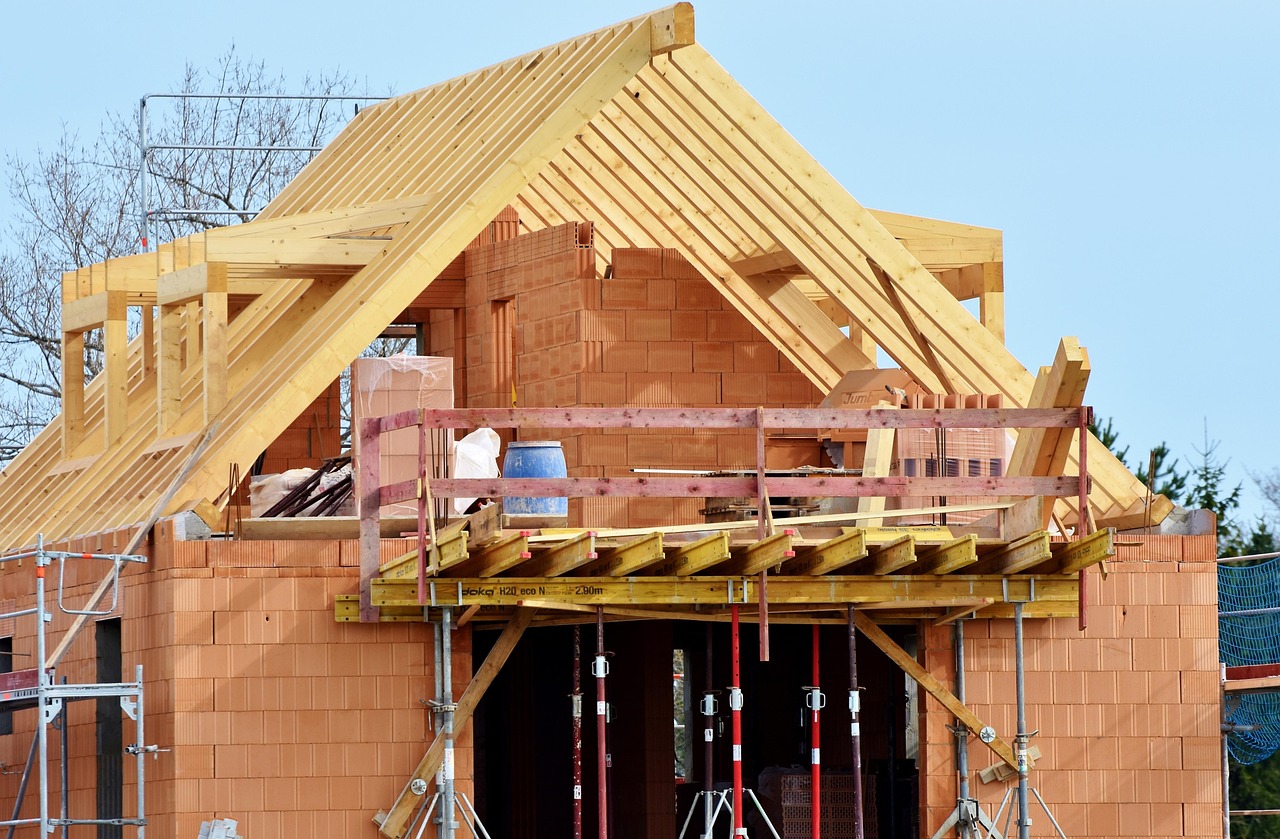
Planning the optimal time to replace tile underlayment in southern Arizona involves understanding the region's unique climate and seasonal considerations. In this desert environment, the best time to embark on such a project is during the cooler months, specifically from October to April. This period offers milder temperatures, reducing the physical strain on workers and minimizing the risk of heat-related illnesses. The lower humidity levels during these months contribute to faster drying times, ensuring your new underlayment and roofing materials cure properly.
An experienced Oro Valley roof specialist will also factor in the region's weather patterns. Spring and fall are often considered ideal seasons for roofing work because they typically offer moderate weather conditions. Heavy rainfall is less common during these months, which is crucial for a successful tile underlayment replacement, as water can disrupt the installation process and damage the existing roof. The final inspection becomes more manageable during these periods, as it's easier to assess the work site without extreme heat or adverse weather conditions.
When planning a tile underlayment replacement, it's essential to consider the transition from the old to the new. Remove the existing underlayment carefully, inspecting it for any signs of damage or deterioration. If the underlayment is severely damaged or outdated, it might be more cost-effective to replace the entire roofing system, including the tiles and flashing. If you're transitioning from a traditional flat roof to a foam roof, the process becomes more intricate, requiring specialized materials and techniques. Ensure that your chosen contractor is prepared for such transformations and can offer a comprehensive solution, including proper disposal of old materials and installation of new flashing.
Seasonal Considerations for Efficient and Long-Lasting Repairs

Seasonal considerations play a crucial role in ensuring efficient and long-lasting tile roof repairs, especially in southern Arizona's distinct climate. Understanding the best times for roof replacements can significantly impact the process, budget, and overall quality of the work. Oro Valley residents often face the question: when is the ideal time to tackle a tile underlayment replacement?
In southern Arizona, the ideal time for a tile underlayment replacement is during the cooler months, specifically from late fall to early spring. This period offers several advantages. Firstly, the milder temperatures make working conditions more comfortable for both contractors and homeowners. Secondly, the lower humidity levels reduce the risk of mold and mildew growth, which can be an issue with prolonged exposure to moisture. The Canada Hills region, for instance, experiences a distinct dry season from October to April, making this the prime time for roofing projects. During these months, you can also expect shorter peak work times, allowing for more efficient project completion.
Warranty registration is another crucial step that becomes easier when planning a roof replacement during these seasons. Many roofing manufacturers offer extended warranties when their products are installed under specific conditions, including proper weather conditions and expert installation. An experienced Oro Valley roof specialist can guide you through this process, ensuring your investment is protected. A dumpster can be conveniently arranged for material disposal, as many neighborhoods in Oro Valley have strict regulations regarding waste management, especially during peak tourist seasons. By timing your project right, you can avoid potential permit delays and ensure a smoother, more environmentally friendly process.
Expert Tips for a Successful Roof Replacement in All Seasons

Timing a roof replacement in Oro Valley, AZ, is a crucial step to ensure a successful and long-lasting installation. The southern Arizona climate offers unique considerations for each season, demanding specific strategies to address the local environment. The extreme heat during summer can impact certain materials and installation methods, while winter brings the potential for freezing temperatures and moisture concerns. A roofing contractor serving Oro Valley and Marana recommends understanding these seasonal variations to make informed decisions.
Spring and fall are generally the most popular times for roof replacements in the region. Temperatures are mild, and the weather is more predictable, allowing for efficient work and material drying. However, these seasons also bring increased demand, so planning ahead is essential. One expert tip is to consider the tile underlayment replacement as a key factor in your timeline. Replacing or installing synthetic underlayment, which is a more modern and lightweight alternative to traditional felt, can speed up the process and provide additional protection. This step is crucial, especially if your current underlayment is outdated or damaged, as it prevents leaks and offers a better base for the new roof.
During summer, high temperatures can cause delays and specific material considerations. Extreme heat may impact the curing process of certain adhesives and sealants, so allowing ample time for these materials to set is vital. Some roofing materials may be less efficient in absorbing heat, potentially leading to increased installation costs. On the other hand, winter presents its own set of challenges. Freezing temperatures can halt construction, and moisture accumulation during the cooler months might impact the overall project. A roofing expert suggests being proactive by ensuring proper flashing and drainage systems to prevent water damage and ice buildup. Scheduling a tear off and replacement during the winter can also be strategic, as it allows for a more thorough inspection of the existing structure and the opportunity to make essential repairs.
A successful roof replacement in Oro Valley depends on understanding and planning for seasonal changes. By considering the timing of tile underlayment replacement and adapting to the climate's unique demands, homeowners can ensure a high-quality installation that protects their investment.
Frequently Asked Questions About advice on timing a roof replacement around the southern Arizona seasons
What is the best time of year to replace a roof in southern Arizona?
The optimal time for a roof replacement in southern Arizona typically falls between April and June. This period offers milder temperatures, fewer rain showers, and shorter wait times for materials compared to the peak season (summer). Avoiding the scorching heat and monsoons that can occur later in the year makes working on a new roof safer and more efficient for both contractors and homeowners.
Does it matter if I replace my roof in the fall?
While fall can also be a viable time for a roof replacement, it's important to be aware of potential challenges. Rainfall increases in the fall, potentially delaying the project. Also, cooler temperatures may slow down the drying time for new shingles, which can impact the overall installation process.
How long does it typically take to replace a roof?
Most roof replacements in southern Arizona take one to two days, depending on the size and complexity of the property. This includes the removal of the old roofing, preparation of the deck, and installation of the new roof.
Are there any red flags that indicate I should wait longer before replacing my roof?
Absolutely. Signs that suggest waiting include: severe weather conditions, extensive damage from hail or wind, signs of water damage or leaks, or an old roof that is nearing the end of its lifespan (often around 20 years).
What happens if I choose to replace my roof during the monsoon season?
While some roofing companies may still operate during the monsoon, expect longer lead times, higher material costs, and potential delays due to unpredictable weather patterns. It's crucial to weigh these factors and communicate openly with your chosen roofing contractor.
Should I be concerned about my energy efficiency when choosing a new roof?
Absolutely. A new roof can significantly impact your home's energy efficiency. Reflecting roofs, for example, can help keep your home cool during the summer months, potentially reducing your air conditioning costs. Your roofing contractor can advise on energy-efficient options that align with your needs and budget.
In southern Arizona, the timing of your roof replacement can significantly impact the success and longevity of the project. Understanding the region's unique climate and seasonal patterns is crucial for optimal tile underlayment replacement. By planning during the cooler months, you can avoid the intense heat that may compromise the integrity of the materials and the work. Seasonal considerations, such as rainfall and temperature fluctuations, play a vital role in ensuring efficient repairs that stand the test of time.
Expert advice emphasizes the importance of a thorough assessment and preparation phase. This includes researching local building codes, choosing the right materials for your climate, and considering the color approval process for HOA-regulated properties. By doing so, you can ensure a smooth transition to a new roof, regardless of the season.
Practical next steps include: engaging local roofing contractors with competitive pricing and 24/7 emergency services, seeking free estimates and consultations, and preparing your home for the tear-off process. Remember, a well-timed and well-planned roof replacement can enhance your home's curb appeal, protect its interior, and provide long-lasting peace of mind.
In southern Arizona, timing a tile roof repair, especially tile underlayment replacement, is crucial due to the region's distinct climate. The best time to schedule a reroof is during the cooler months (October to April) for faster drying times and more comfortable working conditions. Spring and fall are also suitable, offering moderate weather for efficient work. Understanding seasonal patterns helps prevent heat-related delays, water damage, and peak work times. Planning ahead, including proper underlayment replacement and flashing upgrades, ensures a successful and long-lasting roof installation.