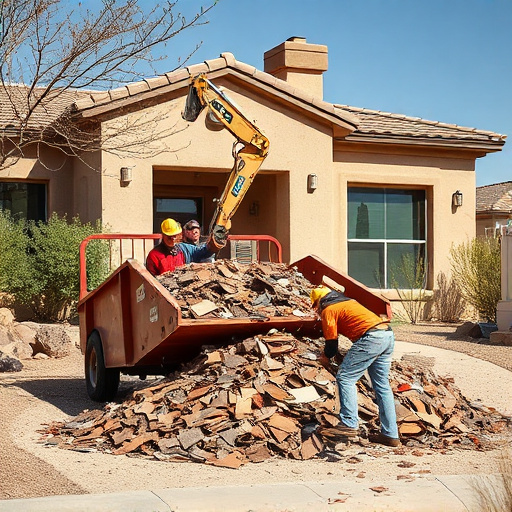
In the bustling Oro Valley community, a new roof is often a significant investment. Understanding how many roof layers are allowed and preparing for the process ahead is crucial for a successful and stress-free reroof. Homeowners often face a common dilemma: do we replace or tear off the existing roof? With up to seven layers possible, from underlayment to shingles, navigating this decision requires expert knowledge. This article guides you through the key steps, from assessing your roof's condition to ensuring compliance with local regulations. We'll explore how to prepare your home, yard, and family for the tear-off process, offering practical tips for a swift and efficient reroof.
- Assess Roof Condition and Remove Old Layers
- Prepare Home and Yard for Construction Chaos
- Select Suitable Materials for Long-Term Protection
- Plan Family Safety and Comfort During Replacement
Assess Roof Condition and Remove Old Layers
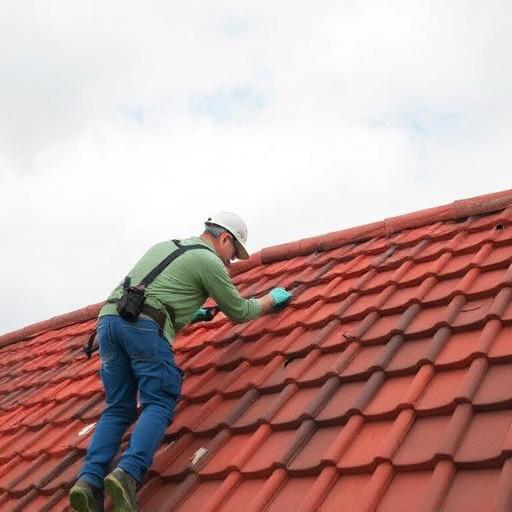
Assessing the current state of your roof and preparing it for replacement involves a meticulous process of removal and evaluation. In Oro Valley, where homes often feature a variety of roofing styles, understanding how many roof layers are allowed and what underlayment is present is crucial. A home in Canada Hills might have multiple layers from previous installations, each requiring careful inspection.
The process typically starts with a thorough examination of the existing roof. A licensed Oro Valley area roofing contractor will assess the condition of the shingles, underlayment, and any flashing. In many cases, older homes may have felt underlayment beneath the shingles, which needs to be evaluated for damage and compatibility with new materials. If the underlayment is in good condition and the contractor determines that it can support a new layer, they may recommend a "tile reset," where new shingles are installed over the old. However, if the underlayment is damaged, missing, or not suitable for another layer, complete removal becomes necessary.
During the tear-off process, old shingles, underlayment, and flashing are carefully stripped away. This step allows the contractor to inspect the roof deck for any damage or rot. Once the old layers are removed, it becomes clearer how many new layers can be added. In general, it's recommended to limit roof layers to ensure the structure's integrity, but a qualified contractor can provide guidance based on your specific situation. After this assessment, the contractor can begin preparing your home for a new roof, setting the stage for improved protection and curb appeal.
Prepare Home and Yard for Construction Chaos
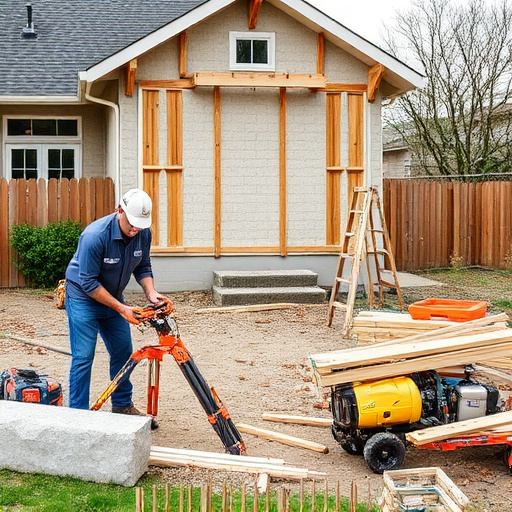
Preparing your home and yard for a roof replacement involves more than just scheduling a few appointments. It requires a systematic approach to minimize disruption and ensure a smooth construction process. Given the potential for chaos, especially when dealing with multiple layers of roofing (up to and including how many roof layers are allowed, depending on local regulations and your specific situation), it's crucial to get organized early on.
Start by evaluating the current state of your roof and yard. If you have a concrete tile roof, for example, consider the condition of the underlayment and flashing. Are they old and worn, or in good shape? This assessment will help you decide if a complete tear-off is necessary or if targeted repairs, like replacing the drip edge, will suffice. Keep in mind that a local roofing company serving Oro Valley can provide expert advice during this phase. Their insights can help you avoid costly mistakes and ensure your home is prepared for the work ahead.
Next, clear your yard of any obstacles that might impede the construction team's access or work. Remove patio furniture, potted plants, and any items stored in the yard. Plan for the cleanup and nail sweeps that will be necessary after the old roof is removed. Protect your landscaping by covering plants with tarps or moving them temporarily. These measures will not only safeguard your property but also make the post-construction cleanup process easier. Remember, the more prepared your outdoor space is, the smoother the entire process will be.
Select Suitable Materials for Long-Term Protection

When preparing for a roof replacement, selecting suitable materials for long-term protection is a crucial step. At DC Roofing of Arizona, we often advise homeowners in Rancho Vistoso to consider not just the aesthetics but also the structural integrity and longevity of their new roof. The number of roof layers allowed can significantly impact performance and durability, so understanding this aspect is key.
In many cases, a successful reroof involves removing existing layers to ensure a clean slate. Most installations typically involve one to two layers of underlayment, with some older homes requiring more. It's important to assess the current condition of your roof and consult with a local roofing company serving Oro Valley to determine the best course of action. If your roof has three layers already, removing the old ones could be more complex and costly, so a thorough inspection is warranted. This process also allows for an evaluation of the framing, which is crucial for a solid, long-lasting roof.
Warranty registration is another essential aspect to consider. When you invest in a new roof, ensure you understand the warranty coverage. Many roofing materials come with manufacturer warranties that can protect against defects and offer peace of mind. Proper disposal of old roofing materials is a responsible step. Many old roofing materials, like concrete tiles, can be reused or recycled, so consult with your Oro Valley roofer about eco-friendly disposal options. For a smooth process, it's recommended to have a dumpster ready for the tear-off day, making cleanup easier and ensuring proper disposal of construction waste.
Before settling on materials, explore the various options available, from traditional asphalt shingles to sustainable, lightweight tiles. Each has its advantages, and your choice should align with your home's design, climate considerations, and long-term goals. If energy efficiency is a priority, a foam-based roof could be ideal. This section of your preparation should culminate in an informed decision, ensuring your new roof not only enhances your home's curb appeal but also provides reliable protection for years to come.
Plan Family Safety and Comfort During Replacement

When preparing for a roof replacement, ensuring your family's safety and comfort is paramount. At DC Roofing of Arizona, we understand that a reroof, especially in the Canada Hills area, can be disruptive. Therefore, we encourage our clients to plan for these potential challenges to make the process as seamless as possible.
Start by knowing that most roofs allow for up to three layers of shingles. This means you can often replace your existing shingles directly, minimizing tear-off and disposal costs. However, if your roof is older or damaged, a complete tear-off might be necessary. In these cases, have a plan for temporary housing or designated safe areas within your home where family members can gather during the noisier aspects of the project. Communicate openly with your contractor about timelines and what to expect each day.
During the reroof, the drip edge and eaves will be upgraded to ensure proper water diversion and protection. This work is crucial for preventing water damage to your home's interior. To prepare, locate and protect any valuable items near the eaves, and ensure gutters are cleaned out to prevent debris buildup. Remember, the safety of your family and your home are paramount. Don't hesitate to ask your contractor for advice tailored to your specific situation.
Frequently Asked Questions About advice on preparing a home, yard and family for a roof replacement
What is the best time of year to replace a roof?
Timing your roof replacement for the off-season offers several advantages. Weather conditions are generally milder, reducing the risk of delays or damage from storms. Fewer contractors are in demand, meaning faster service and potentially lower costs. Many roofing materials come with seasonal discounts to encourage installations. However, if your existing roof shows signs of severe damage, it's best to act immediately, regardless of the season.
How do I prepare my family for the roof replacement process?
Open communication is key. Explain the process, why it's necessary, and the expected timeline. Involve children in age-appropriate tasks, like clearing debris from the yard, to foster a sense of contribution. Create a safe space for everyone to express concerns and ask questions. Keep important documents, such as insurance policies and contact information for the contractor, easily accessible. Regular check-ins during the project will further ensure everyone feels involved and at ease.
What should I do with my possessions during the roof replacement?
Clear a wide perimeter around your home, removing all valuable items, plants, and furniture from the yard. Store these securely in your garage or interior spaces. Cover important outdoor items like grills and patio furniture with sturdy tarps. Ensure your pets are indoors and safe during the installation process. This proactive measure minimizes disruptions and protects your belongings from potential damage.
How much notice should I give my roofing contractor?
While every situation is unique, a good rule of thumb is to contact your chosen contractor at least two to three weeks in advance. This provides sufficient time for them to assess your project, acquire necessary materials, and schedule labor. A timely notification allows for a smoother and more efficient installation process.
What should I look for when selecting a roofing contractor?
Choose a licensed, bonded, and insured roofing contractor with a proven track record in your area. Request references and check reviews from previous clients. Ensure they specialize in your type of roof and can provide a detailed, written estimate. A reputable contractor will offer a warranty on their workmanship and materials. Don't hesitate to ask for clarification on any aspect of the project and ensure you're comfortable with their approach.
Preparing for a roof replacement involves a multifaceted approach to ensure a smooth process and long-term protection for your home. By assessing the current roof's condition and removing old layers, you lay the groundwork for a successful installation. This process includes understanding how many roof layers are allowed, as proper layering is crucial for structural integrity.
Before the chaos of construction begins, prepare your home and yard. Protect indoor spaces from debris, and plan for temporary solutions like a portable AC unit. This preparation ensures your family's comfort and safety during the tear-off.
Selecting durable and suitable roofing materials is a key decision. Long-term protection requires considering factors like climate, local regulations, and your budget. From traditional tile to modern foam options, each material has unique benefits and applications, especially when transitioning from a flat roof to a more contemporary design.
During the replacement, prioritize family safety and comfort. Planning for their involvement, like assigning safe areas and explaining the process, ensures a smoother experience. With the old roof removed, professionals can access the full extent of the work, including necessary repairs or upgrades to the drip edge, eaves, and even the attic insulation.
A successful roof replacement requires a strategic approach that combines thorough preparation, material selection, and family involvement.
Preparing for a roof replacement in Oro Valley involves several steps:
1. Assessment: Inspect existing roof layers, underlayment, and flashing. Determine if a "tile reset" (new layer over old) is possible or if complete removal is needed.
2. Preparation: Remove old shingles and underlayment, inspect roof deck for damage. Plan for tear-off, cleanup, and nail sweeps.
3. Clear Yard: Remove obstacles, cover plants, and plan for post-construction cleanup.
4. Material Selection: Consider structural integrity, warranties, eco-friendly options, and aesthetics. Understand local regulations on roof layers (up to 3 common, but varies).
5. Safety: Plan for noise, potential disruptions, and water diversion work during reroof. Protect valuable items near eaves and ensure clean gutters.