
In Oro Valley, a new roof is more than just an upgrade-it's an investment in your home's safety, energy efficiency, and curb appeal. Yet, tackling a full roof replacement can seem daunting, from understanding the process to navigating permits and materials. This step-by-step guide breaks down the complexities, focusing on a key aspect often overlooked: how to handle patio covers and additional roofs. We'll walk you through each phase, from preparing for the tear-off to ensuring a successful installation, so you can make informed decisions and achieve a reliable, long-lasting result.
- Planning and Preparation: Assessing Your Oro Valley Home's Roof Needs
- Removing the Old Roof: Step-by-Step Tear-Off Process
- Installing New Roofing: Materials, Techniques, and Safety
- Integrating Patios and Additional Roofs: Enhancing Your Home's Exterior
Planning and Preparation: Assessing Your Oro Valley Home's Roof Needs

When planning a full roof replacement on an Oro Valley home, the first step is a thorough assessment of your roof's current condition and your specific needs. This involves a detailed inspection by a licensed Arizona roofer who can identify any issues, from missing or damaged shingles to underlayment problems, and even potential issues with your patio cover and addition roofs. Don't overlook the condition of your drip edge and eaves, as these areas are crucial for proper water drainage and can significantly impact the lifespan of your roof.
During this preparation phase, you'll also want to consider the timing of your project. The best season to replace a roof in Oro Valley is typically during the dry months, avoiding the monsoon season. This ensures easier access to your home's roof and faster drying times after the tear-off. Planning for a roof replacement involves obtaining any necessary permits, which can take time. A reputable local roofing company can guide you through this process, ensuring compliance with Oro Valley's building codes and regulations, especially if you're considering upgrades like a new patio cover or changes to your eaves.
Another critical aspect of preparation is managing the project's environmental impact. Many roofing materials, including old shingles, end up in landfills. A responsible roofing contractor will provide options for proper disposal, often including recycling programs for materials like concrete tiles. When replacing your roof, you may want to explore eco-friendly alternatives, such as lightweight, sustainable roofing materials, ensuring your home's curb appeal stays strong while minimizing your environmental footprint.
Lastly, for homes with a complex layout, including patio covers or additional roofs, meticulous planning is essential. This may involve coordinating with specialized contractors to ensure a seamless transition during the reroofing process, preventing any disruptions to your daily life, especially if you choose to live at home during the replacement.
Removing the Old Roof: Step-by-Step Tear-Off Process
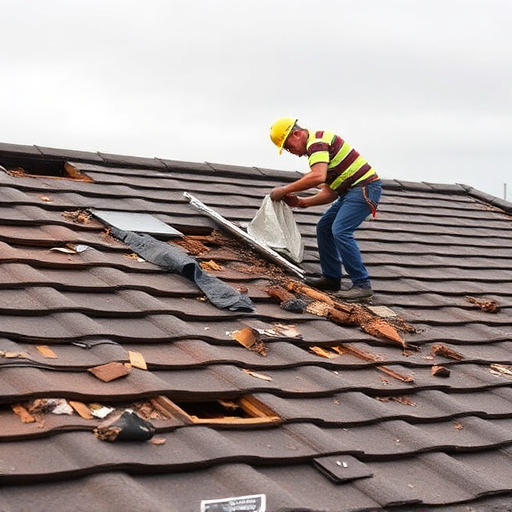
Removing the Old Roof: A Step-by-Step Tear-Off Process in Oro Valley
The first step in any full roof replacement is the careful and thorough removal of the existing roofing materials. This process, known as a tear-off, is crucial as it prepares the surface for new roofing and ensures a solid foundation for future repairs or installations. In Oro Valley, where the monsoon season brings both beautiful weather and intense storms, proper tear-off procedures are even more critical. Our experienced team at DC Roofing of Arizona, a licensed Arizona roofer, navigates this process with meticulous care, especially when addressing existing patio cover and addition roofs.
We begin by assessing the entire roof structure, including all layers, to understand the condition of the underlayment and the overall integrity of the existing roof. This inspection guides our tear-off strategy, ensuring we remove all old materials-shingles, underlayment, drip edges, and flashing-down to the deck. Safety is paramount, so we employ specialized equipment and follow industry best practices to protect both our team and your property. We'll secure a dumpster to safely contain the removed materials, ensuring a clean and clutter-free job site, a key consideration for homes in the Rancho Vistoso neighborhood.
Once the old roof is completely removed, we inspect the deck for any damage or issues. If repairs are needed, we'll make them before proceeding. This meticulous step-by-step process ensures a solid base for your new roof. Whether it's a complete replacement or a partial one, we treat every tear-off as an opportunity to optimize your home's roofing system, taking into account factors like fire resistance, insulation, and energy efficiency.
Installing New Roofing: Materials, Techniques, and Safety

Installing new roofing on an Oro Valley home, especially with the addition of a patio cover or other structures, requires careful consideration of materials, techniques, and safety measures. DC Roofing of Arizona, a local Tucson roofing company, recommends a systematic approach to ensure a durable and aesthetically pleasing result.
The first step is selecting suitable materials. Traditional options include asphalt shingles, known for their affordability and ease of installation. For a modern aesthetic, synthetic roofing materials mimic the look of tiles or slate without the weight and maintenance concerns. When considering a patio cover or additional roof structures, a lightweight option like synthetic tiles can be advantageous. They offer excellent durability and flexibility, enabling your roof to expand and contract with minimal stress.
Before installing any new roofing, a thorough inspection is crucial. This includes assessing the existing flashing, which is the protective barrier around roof penetrations like chimneys and vents. If the old flashing is damaged or worn, it should be replaced to prevent leaks. The same goes for the felt underlayment, which provides an extra layer of protection against moisture. In many cases, a synthetic underlayment is preferred for its superior durability and resistance to mold and mildew.
Once the materials are chosen and the site prepared, the installation process begins. Skilled roofers will start by securing the underlayment, typically using staples or a mechanical fastener. Then, they'll lay down the chosen roofing material, ensuring proper overlap and sealing each section. For a patio cover or addition, special attention must be given to flashing around openings to ensure water cannot infiltrate these areas. After completing the main roof, the roofers will install any additional components, such as vents or solar panels, and finally, inspect the work for any potential issues.
Integrating Patios and Additional Roofs: Enhancing Your Home's Exterior

When enhancing your Oro Valley home's exterior, integrating patios and additional roofs is a strategic way to increase living space and improve curb appeal. An experienced Oro Valley roof specialist recommends considering these factors when planning a full roof replacement. First, assess your current patio cover and roofs to determine if a simple repair or a complete replacement is needed. In Rancho Vistoso, many homeowners choose to update their existing structures rather than tear them down and start over.
If your patio cover or addition roof is in good structural condition but needs a facelift, a simple upgrade could be the solution. This might involve replacing the old felt underlayment with a more durable, modern alternative. For a more extensive transformation, consider removing the existing structure and incorporating new design elements that complement your home's architecture. When planning a patio cover addition, consult with your contractor about the best materials for your climate and budget. Foam roofing, for example, is a lightweight, energy-efficient option gaining popularity in our region.
Before construction begins, ensure you have the necessary permits and that your contractor understands any local building codes regarding patio covers and addition roofs. This step is crucial to avoid delays and potential fines. Once approved, the process typically involves a meticulous tear-off, removing the old roof and underlayment, installing new flashing and drip edges, and finally, constructing the new patio cover or roof. An expert contractor will also ensure proper attic insulation and ventilation are in place, protecting your home's interior from potential damage during the reroof.
After the new roof is in place, focus on cleanup and nail sweeps to ensure a safe and aesthetically pleasing finish. Remember, a well-planned and executed roof replacement, including the integration of patios and additional roofs, can significantly enhance your Oro Valley property's value and functionality.
Frequently Asked Questions About a Step-by-Step Guide to a Full Roof Replacement on an Oro Valley Home
What is involved in a full roof replacement? A full roof replacement involves several key steps, including removing the existing roof, inspecting the structure and underlayment, installing new underlayment, placing new shingles or roofing material, securing flashing and vents, and finally, conducting a thorough final inspection. The process ensures a durable and weatherproof roof for your Oro Valley home.
How long does a typical roof replacement take? Most roof replacements in Oro Valley take one to two days, depending on the size and complexity of the job. This includes preparation, installation, and cleanup. A thorough inspection upon completion guarantees the work meets industry standards and your expectations.
What should I consider when choosing a roofing material? Selecting roofing material depends on your budget, home style, and climate considerations. Popular options include asphalt shingles, metal roofing, tile, and wood shakes. Each has unique benefits and drawbacks regarding durability, maintenance, and aesthetics. Consult with a licensed roofer to determine the best fit for your Oro Valley home.
Are there any permits required for roof replacement? In Oro Valley, roof replacements typically require a building permit. This ensures compliance with local construction codes and safety standards. It's the property owner's responsibility to obtain the necessary permits before starting any roofing project. Contact the local building department to understand the specific requirements.
What is the average cost of a full roof replacement? The average cost for a full roof replacement in Oro Valley ranges from $5,000 to $10,000, depending on the size, roof pitch, and chosen materials. Factors like labor, materials, and the complexity of the job influence the final cost. A licensed roofing contractor can provide a detailed estimate tailored to your specific needs.
How can I ensure the longevity of my new roof? Proper maintenance is crucial for a long-lasting roof. Regularly inspect for loose or damaged shingles, flashing, and vents. Remove debris and ensure proper drainage. Following the manufacturer's guidelines for cleaning and maintenance will help extend the life of your new roof.
What should I do if I notice signs of roof damage? If you spot cracks, leaks, missing shingles, or other signs of damage, contact a licensed roofer immediately. Early detection and repair prevent further issues and ensure your home's structural integrity. Don't delay, as even minor damage can escalate over time.
A complete roof replacement is a significant home improvement project, but with the right planning and execution, it can transform your Oro Valley property's curb appeal and protect it for years to come. By understanding the step-by-step process, from assessing your roof's needs to integrating additional patios and roofs, you're empowered to make informed decisions. The key takeaways include the importance of a thorough tear-off, choosing suitable roofing materials, and ensuring proper integration with your home's exterior, including patio covers and addition roofs. This guide highlights the expertise and attention to detail required, ensuring a safe, efficient, and aesthetically pleasing reroof.
A comprehensive roof maintenance plan for Oro Valley homes involves several crucial steps:
1. Assessment and Planning: Begin with a thorough inspection of your roof's condition, including patio covers and addition roofs. Determine the timing, considering the dry season for easier access and faster drying. Obtain permits, ensuring compliance with Oro Valley's building codes.
2. Eco-Friendly Considerations: Manage the environmental impact by recycling old shingles and exploring sustainable roofing materials.
3. Meticulous Execution: For complex layouts, coordinate specialized contractors for seamless transitions during reroofing. Remove the old roof carefully, down to the deck, and inspect it for damage.
4. Materials and Installation: Choose suitable materials like synthetic tiles for patio covers and additional roofs. Inspect and replace flashing and underlayment as needed. Install the new roof, ensuring proper sealing and flashing around openings.
5. Integration and Enhancement: Assess existing patios and roofs for repairs or replacements. Consider modern upgrades and consult with contractors about local building codes. A strategic approach, from planning to installation, enhances curb appeal and property value.