Choosing new roofing materials for a desert climate is a critical decision that impacts your home's durability, energy efficiency, and curb appeal. With extreme temperatures, intense sunlight, and occasional storms, your roof must withstand these harsh conditions. The problem lies in selecting materials that balance strength, longevity, and aesthetics while navigating local building codes and HOA color approval for reroofs. This guide aims to empower homeowners by offering expert insights into navigating this decision, from understanding material properties to ensuring proper installation and long-term maintenance. By the end, you'll be equipped to make an informed choice that protects your investment and enhances your home's value.
- Understanding Desert Climate Requirements for Roofs
- Evaluating Durable Desert-Friendly Roofing Options
- Navigating HOA Color Approval for Reroofs
- Long-Term Cost-Effectiveness and Sustainability in Mind
Understanding Desert Climate Requirements for Roofs
In the harsh desert climate of Oro Valley, Arizona, selecting the right roofing materials is important for both the longevity of your roof and the overall comfort of your home. Unlike milder climates, desert conditions demand specific considerations to protect against intense sunlight, high winds, and fluctuating temperatures. This guide aims to equip homeowners with the knowledge to handle the process of re-roofing, focusing on the unique challenges and opportunities presented by the desert environment.
The Town of Oro Valley, aware of the region's distinct climate, mandates compliance with local building codes and HOA guidelines. One key aspect often overlooked is color approval for reroofs. In this arid region, dark-colored shingles can absorb significant heat, leading to increased energy costs. Light-colored or reflective shingles are recommended to reduce heat absorption, ensuring your home stays cool. A licensed Arizona roofer can provide valuable insight into the best options, considering factors like local regulations, energy efficiency, and the specific demands of the desert climate.
When considering a tear-off and replacement, the choice of shingles becomes critical. Modern shingles offer a range of styles and colors, but functional aspects take precedence. For desert homes, asphalt shingles with a high wind rating and excellent resistance to UV degradation are preferred. A 2022 study by the National Roofing Contractors Association (NRCA) highlighted the importance of wind-resistant shingles, demonstrating a significant reduction in roof damage during severe weather events in regions with high wind speeds. Incorporating reflective or cool roofing materials can lower peak heating loads, offering long-term savings and contributing to a more sustainable home.
HOA color approval, while seemingly a bureaucratic detail, matters in ensuring your roof not only meets functional standards but also aligns with community aesthetic expectations. By understanding the desert climate's unique demands and working with professionals who specialize in this region, homeowners can make informed decisions, resulting in a solid, energy-efficient, and visually appealing roof that stands the test of the desert's harsh conditions.
Evaluating Durable Desert-Friendly Roofing Options
When selecting new roofing materials for a desert climate, it's important to consider options that can withstand extreme temperatures, intense sunlight, and sporadic rainfall. Evaluating durable desert-friendly roofing options involves a strategic approach that balances aesthetics, functionality, and longevity. One key consideration is the color of the roofing material, as it significantly impacts the overall look of your home and can affect energy efficiency. In regions with strict Homeowners Association (HOA) guidelines, like those in many desert communities, obtaining HOA color approval for reroofs is essential to avoid potential fines or delays.
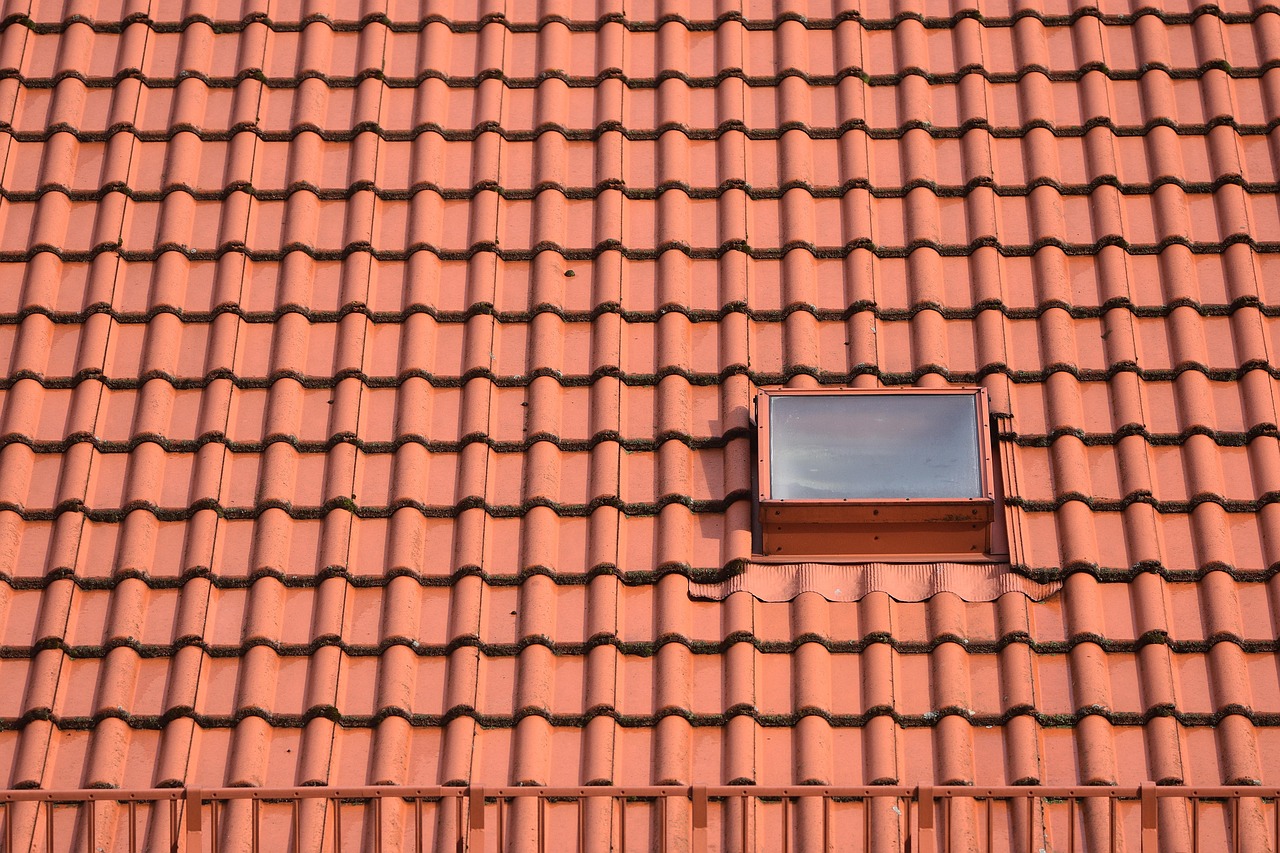
traditional concrete tiles are a popular choice for desert homes due to their durability and ability to reflect sunlight, reducing heat transfer and cooling costs. However, the color of concrete tiles can vary widely, so it's important to select a shade that aligns with both your aesthetic preferences and HOA requirements. DC Roofing of Arizona, a local expert in the field, recommends considering the color's impact on your home's energy performance. Lighter colors generally reflect heat better than darker shades, which can absorb it, leading to increased indoor temperatures.
In addition to the color, the structure of your roof matters in its longevity. Battens, or roof trusses, provide support and ensure proper ventilation, which is critical in desert climates to prevent excess heat build-up. Flashing, a thin layer of protective material applied along the seams and edges, is another essential component. It guards against water intrusion and helps maintain the integrity of your roof against the harsh desert elements. By understanding these factors and working with experienced contractors, homeowners can make informed decisions that not only enhance their home's curb appeal but also ensure long-lasting protection against the unique challenges of a desert environment.
Navigating HOA Color Approval for Reroofs
In the desert climate of Oro Valley, choosing new roofing materials requires careful consideration of factors beyond aesthetics. Homeowners often face a delicate balance between personal preferences and adhering to Homeowners Association (HOA) guidelines, especially for reroofing. This is particularly true for materials like concrete tiles, which offer both durability and visual appeal but may require special consideration for color approval.
HOA color approval for reroofs is a critical step that can impact the overall project timeline and budget. Many HOAs in the Oro Valley area have strict guidelines dictating the types and colors of roofing materials permitted. Some HOAs may restrict certain shades of red or require a specific type of stone or metal finish. A licensed Oro Valley area roofing contractor can play a key role here, as they are familiar with the local HOA rules and can guide clients through the approval process. Understanding these regulations early on can prevent costly delays.
When selecting roofing materials, it's essential to consider not only the color but also the overall aesthetic of the neighborhood. In Stone Canyon, a popular residential area, many homes feature traditional desert-inspired roofs with neutral tones. Deviating from these established styles may require additional HOAs approval, adding an extra layer of complexity. A practical approach is to choose materials that complement existing structures while still allowing for a fresh, modern look. For concrete tiles, this might mean opting for a subtle texture or a slightly different shade that blends well with neighboring homes. Flashing, a critical component often overlooked, can also contribute to a smooth, approved look, ensuring water tight protection and visual harmony.
Data from local roofing contractors shows that proactive communication with the HOA is key to a smooth reroofing process. This includes submitting detailed plans and samples of the proposed materials well in advance of the project. By understanding the HOA's expectations and working collaboratively, homeowners can secure the necessary approvals, ensuring their new roof not only meets their aesthetic goals but also complies with community guidelines. This approach not only avoids potential fines but also fosters a positive relationship with the local HOA, which can be beneficial for future home improvement projects.
Long-Term Cost-Effectiveness and Sustainability in Mind
In the harsh desert climate of Oro Valley, choosing the right roofing materials is not just a cosmetic decision; it's a strategic investment in your home's long-term value and comfort. When considering a new roof, sustainability and cost-effectiveness should be at the forefront of your mind. The right materials can reduce energy costs, minimize waste, and ensure your roof stands the test of time against the area's unique challenges, from intense sunlight to fluctuating temperatures.
One key factor to keep in mind is the impact of your choices on HOA color approval for reroofs. The Town of Oro Valley permit process often involves review of exterior color schemes, ensuring your new roof aligns with community standards. In Rancho Vistoso, certain shade restrictions may apply, especially for historical or architectural preservation areas. DC Roofing of Arizona, a local expert, advises clients to research community guidelines early on to avoid delays. Using approved materials can expedite the final inspection process, ensuring your project stays on schedule and within budget.
When evaluating long-term cost-effectiveness, consider the lifespan and warranty of different roofing materials. Durable, fire-resistant options like tile or metal can offer significant energy savings by reducing interior heat gain. According to the U.S. Department of Energy, a metal roof can save up to 40% on energy costs compared to traditional shingles. However, these materials may be pricier upfront. A balanced approach is to select long-lasting, sustainable products that meet your budget and climate demands. Modern, lightweight tile options can provide the durability of traditional concrete tiles while being more environmentally friendly and cost-efficient.
Sustainability also plays an important role in roof replacement. Opting for recyclable or recycled materials can reduce your carbon footprint. Some manufacturers offer products made from reclaimed materials, further minimizing waste. Consider the impact of your roof's reflectivity on energy usage. Light-colored roofs, recommended by many experts, can help keep your home cool, reducing the need for excessive air conditioning. This is particularly important in Oro Valley's desert environment, where summer temperatures often soar above 100°F. By strategically choosing roofing materials and considering these factors, you can ensure your new roof not only enhances your home's curb appeal but also contributes to its overall efficiency and longevity.
Frequently Asked Questions About a guide to choosing new roofing materials for the desert climate
What factors should I consider when choosing roofing materials for a desert climate?
In desert climates, extreme heat, high UV exposure, and occasional severe storms demand durable, reflective, and moisture-resistant roofing materials. Consider the region's specific conditions: average temperatures, UV intensity, and rainfall patterns. Longevity and low maintenance are key; reflective materials can reduce cooling costs. Consult with a roofing professional to assess your needs, budget, and local building codes.
What types of roofing materials are best suited for desert environments?
Metals like aluminum and steel are popular choices for desert roofs due to their durability and corrosion resistance. Clay or concrete tiles with a dark color coating can provide excellent heat resistance. Some manufacturers offer tiles treated with a reflective finish to reduce heat absorption. TPO (Thermoplastic Olefin) and EPDM (Ethylene Propylene Diene Monomer) rubber membranes are suitable for their flexibility, durability, and reflective properties.
How can I ensure my new roof is energy-efficient in a desert climate?
Choose light-colored materials to reflect heat, which can significantly reduce roof temperatures and lower cooling loads. Look for materials with high R-values (insulation ratings) for enhanced energy efficiency. Consider a reflective underlayment beneath your roofing to create a cooler, more energy-efficient roof system. Proper ventilation and cooling systems integrated into your roof design can also contribute to energy savings.
What are the maintenance requirements for desert roofs?
Desert roofs generally require less maintenance than those in humid climates. Regular cleaning to remove dust buildup, especially on reflective surfaces, is recommended. Inspect for loose or damaged shingles and address issues promptly. Because of the lower humidity, mold and mildew are less of a concern, but check for any signs and address them immediately if found.
Are there any local regulations or incentives for installing energy-efficient roofs in desert areas?
Yes, many desert cities and towns offer incentives for energy-efficient roofing. These can include tax credits, rebates, or low-interest loans. Check with your local building department or energy utility provider for specific programs. Some areas have building codes mandating energy-efficient roofing materials to help reduce the region's overall energy consumption.
As you consider new roofing materials for your desert home, several key insights emerge from this guide. Firstly, understanding the unique demands of the desert climate on roofs is paramount. This includes factors like extreme heat, high winds, and intense sunlight, which dictate the need for durable, weather-resistant options. Among the evaluated desert-friendly roofing choices, metal roofing stands out for its longevity and ability to reflect heat, reducing cooling costs.
Navigating HOA color approval for reroofs is an important consideration. Many homeowners associations in desert regions have specific color guidelines to maintain architectural harmony. It's essential to consult these rules early, ensuring your chosen roofing material complies. This process can often involve submitting color samples and obtaining approvals before the project begins.
Long-term sustainability and cost-effectiveness are also paramount. While initial investment is a factor, choosing materials with a proven track record of durability can save money in the long run by reducing the need for frequent repairs or replacements. Think about the environmental impact too; some options, like recycled metal or clay tiles, offer eco-friendly alternatives that can enhance your home's value.
Practical next steps include gathering several quotes from reputable local roofing contractors who specialize in desert climates. Compare not just costs, but also warranties and the specific materials they recommend. Finally, remember that a well-chosen, high-quality roof not only protects your home but also contributes to its curb appeal and overall value, making it a wise investment for any desert resident.
In the Oro Valley desert climate, choosing the right roofing materials is important for both longevity and comfort. Homeowners must consider dark shingles' heat absorption effects and comply with local building codes and HOA guidelines. Modern shingles with high wind ratings and UV degradation resistance are recommended, along with reflective or cool roofing materials for energy efficiency. HOA color approval is a vital detail, ensuring your roof meets functional and aesthetic standards. By understanding the desert's unique demands and working with experts, homeowners can make informed decisions, resulting in a durable, energy-efficient, and visually appealing roof.